Transform Your Home With Experienced Architectural Design Services
Transforming a home through qualified architectural expertise involves more than just design. It requires a deep understanding of operational design and local building codes. Collaborating with an seasoned design expert can address common challenges while enhancing property appreciation. The process is systematic and thorough, guaranteeing that every detail aligns with the homeowner's aspirations. Yet, many homeowners experience difficulty to navigate this process effectively. What steps can they take to guarantee a successful alliance?
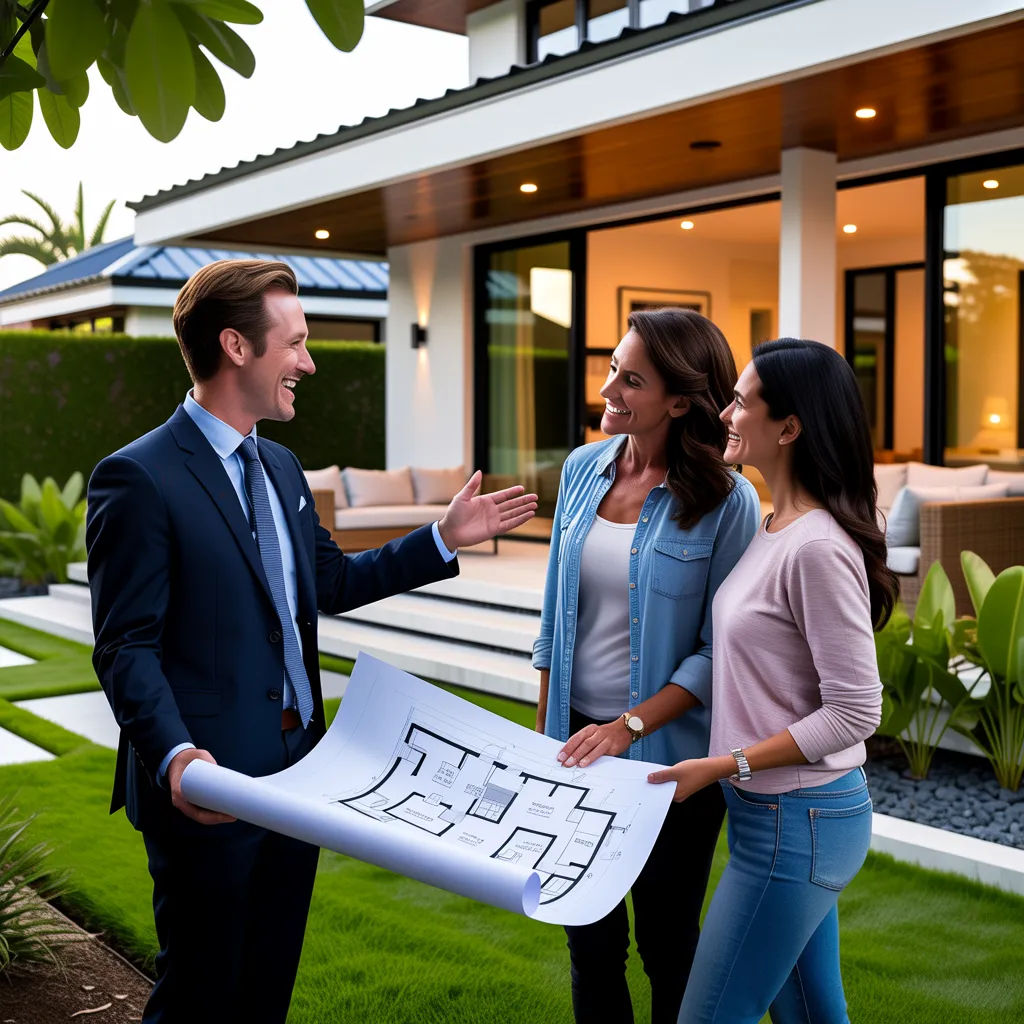
Standard Home Design Complications and Methods Architects Tackle Them
What makes home design so difficult for many homeowners? The intricacy of juggling aesthetic preferences with functional needs often frustrates them. Homeowners often grapple with spatial constraints, budget limitations, and regulatory requirements, hindering the design process. Additionally, many are without the technical expertise needed to handle structural considerations and building codes.
Architects play an crucial role in mitigating these obstacles. Their education equips them to navigate the intricacies of design, guaranteeing that a homeowner's vision corresponds with realistic realities. Architects can deliver innovative solutions to maximize space while adhering to security standards. They also assist in creating unified designs that reflect the property owner's style. By offering insights into resources and construction methods, architects help streamline the selection process. Ultimately, their expertise converts a possibly daunting endeavor into a cooperative journey, promoting a harmonious balance between creativity and feasibility in residential planning.
Reasons to Work With a Professional Architect
Working with a professional architect improves the home design experience by uniting specialized expertise with the owner's aspirations. Architects provide a comprehensive skill set in design principles, regulatory codes, and sustainable approaches, guaranteeing that the initiative not only fulfills aesthetic goals but also follows guidelines. Their talent for imagining and articulate elaborate thoughts facilitates rendering intangible notions into concrete deliverables.
Furthermore, architects can provide innovative approaches to spatial challenges, perfecting arrangement and usability. They also coordinate the intricacies of the building process, coordinating with contractors and suppliers to guarantee finances and schedules are observed. This expert oversight curtails mistakes and reduces the stress associated with home construction or renovation. In conclusion, collaborating with an architect results in a well-crafted, unified space that captures the homeowner's character while advancing overall property worth.
What Are the Critical Steps in the Architectural Procedure?
Why is understanding the architectural process important from initial idea to completion? The journey starts with an initial consultation, where the designer and customer review objectives, needs, and budget. This stage is essential for establishing a clear vision. Afterward, the architect executes site analysis, evaluating variables like terrain, weather characteristics, and zoning requirements.
After this, the design stage gets underway. In this phase, drawings and 3D models are made, allowing the client to envision the project. When the design is approved, the architect develops thorough construction blueprints, including specifications and drawings.
With required permits obtained, the project enters the construction phase. The architect regularly works with contractors to guarantee that the design is implemented correctly. Frequent on-site inspections and evaluations examine now help maintain quality and compliance to the original vision. Finally, the project culminates in a inspection, verifying that the finished structure meets the client's requirements before the official handover.
What's the Most Effective Way to Select the Ideal Architect for Your Home?
Discovering the suitable professional for your dwelling requires thoughtful thought and study. Prospective residents should start by identifying their specific desires and budget, which will direct their quest. Advice from peers, relatives, or property specialists can deliver helpful prospects. Web-based portfolios and reviews support examining an designer's previous accomplishments and customer satisfaction.
Next, potential clients should speak to several prospects to measure their speaking approach, expertise, and design approach. It's critical to address timelines and project expectations to confirm alignment. Moreover, confirming qualifications and reviewing appropriate certifications and licenses can prevent future complications.
In conclusion, property owners should have faith in their hunches. The ideal architect should not only exhibit the necessary skills but also connect with the homeowner's perspective and ethics. This synergy generates a cooperative setting, ultimately bringing about a successful partnership in fashioning a desired residence.
Methods to Present Your Vision With Precision
Effectively conveying a concept for home design is crucial for a successful collaboration between property owners and design professionals. To accomplish this, property owners should begin by clearly outlining their requirements and preferences. Creating a visual reference collection with images, hues, and materials can help expressing visual preferences. Additionally, specifying functional requirements, such as space dimensions and layout, ensures that the architect comprehends functional aspects.
Home owners should also take part in open dialogue, promoting questions and feedback to refine their concept. Regular check-ins during the design process foster teamwork and openness. Using clear expression to express thoughts and worries can prevent misunderstandings and help match goals.
Ultimately, being receptive to the architect's proficiency enables a more stimulating exchange. By blending personal vision with professional insight, homeowners can strengthen a healthy partnership that accomplishes a beautifully designed space representing their aspirations.
How to Budget for Architecture Solutions
While starting a home design project, establishing a budget for architecture services is crucial to avoid financial strain later. Homeowners should begin by researching typical fees in their area, which can vary based on the project's complexity and the architect's experience. It is recommended to allocate a percentage of the overall project cost specifically for architectural services, typically ranging from 5% to 15%.
Next, prospective clients should determine the scope of services required—whether they need full design and project coordination or just introductory consultations. Fostering transparent dialogue with potential architects concerning their fee structures can provide understanding on expenses.
Additionally, property owners should consider potential revisions and unexpected expenses, building a buffer into the budget. By explicitly establishing their financial parameters in advance, customers can ensure they select an architect who aligns with their vision while staying inside their budget constraints.
Commonly Asked Questions
What Types of Architectural Are Available for My Home?
Homeowners may pick from various architectural styles, including modern, traditional, colonial, Mediterranean, and contemporary. Each style delivers distinctive appearance and utility, allowing individuals to express personal taste while accounting for regional influences and environmental factors.
What Time Period Does the Architectural Process Typically Entail?
The design process typically requires several months, based on project complexity, design approvals, and local regulations. Elements such as client feedback and construction schedules can also impact the timeline significantly throughout the project.
Can Architects Support With Green Construction Solutions?
Architects can clearly support with green design choices. They include eco-friendly materials, energy-efficient systems, and innovative layouts, guaranteeing projects reduce environmental impact while boosting functionality and aesthetic appeal, aligning with clients' sustainability goals effectively.
Which Credentials Would I Look for in an Building Designer?
When bringing on an architectural professional, one should take into account their formal training, professional standing, experience in relevant projects, compilation of work displaying their design approach, and comprehension of local architectural guidelines. Capacity for clear communication and endorsements from satisfied clients also hold significant importance in the decision-making process.
How Can Architects Resolve Zoning and Permit Obstacles?
Architects address zoning and permit issues by conducting thorough research on regional requirements, assembling required paperwork, and liaising with municipal authorities. Their proficiency ensures adherence, streamlining the approval process for customer developments effectively.